Finland's lottery landscape is marked by some truly extraordinary jackpot wins, making it a fascinating subject for anyone interested in the intersection of luck, economics, and societal impact. The Finnish lottery, managed by the state-owned Veikkaus, is central to this narrative, balancing entertainment with significant contributions to public welfare.
Key Highlights of Finland's Lottery History
- Establishment and Purpose: Veikkaus, established in 1940, manages the Finnish lottery, sports betting, and instant games. It channels its profits into supporting sports, cultural activities, and social development projects across Finland.
- Popular Games: Among the array of games offered, Lotto is the standout, introduced in 1971 and quickly becoming a fixture of Finnish social life. Players pick seven numbers from 1 to 40, with draws every Saturday.
- Record-Breaking Jackpots:
- In August 2021, the largest recorded jackpot in Finnish Lotto history reached €15.7 million, eclipsing the previous record of €14.1 million set in 2018. This jackpot was shared among three tickets.
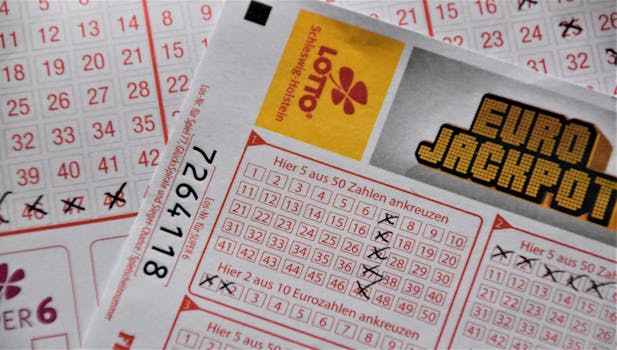
- The Eurojackpot, a transnational game popular since its introduction in March 2012, saw a Finnish player win a colossal €90 million in August 2020, marking the highest win in the game's history across Europe.
Impact on Winners and Society
.png)
The windfalls have had transformative impacts on the lives of the individuals and families involved. For instance, a €12.2 million win in 2012 by a middle-aged man in southern Finland allowed him to significantly improve his family's living conditions. These stories underline the life-altering potential of lottery winnings.
Beyond individual gains, these lotteries play a crucial role in supporting broader societal benefits. The funds raised from lottery games contribute to various sectors including health, education, and cultural projects. This model ensures that, while the games provide excitement and the allure of significant financial rewards, they also serve the public good.
Responsible Gambling
Veikkaus is committed to promoting responsible gambling. Awareness programs and support services are integral to its operations, helping to ensure that the thrill of gambling does not turn into a detrimental addiction for participants.
Conclusion
The narrative of Finnish jackpot history is filled with tales of sudden fortunes and societal benefit. It provides a compelling view of how national lotteries can be structured not only to provide entertainment but also to support important social and cultural initiatives. Whether one strikes it lucky or not, participating in Finland’s lottery games means contributing to a range of beneficial causes, reinforcing the value of these games beyond mere personal gain.