The Digital Age of Gambling: Responsibilities of Finnish Online Casinos to Authorities in Taxation and Regulation
Online gambling is a thriving industry in Finland, drawing hundreds of thousands of players annually and generating billions of euros in revenue. But behind every virtual slot spin or blackjack hand lies a complex web of legal obligations. Finnish online casinos must navigate strict requirements set by national authorities, particularly regarding taxation and regulatory compliance. As the Finnish government continues to modernize its approach to online gambling, operators face increasing scrutiny to ensure fair play, protect consumers, and contribute their fair share of taxes. This article delves into the essential responsibilities that Finnish online casinos hold toward authorities, peeling back the layers of regulation, financial reporting, and consumer protection that underpin this dynamic sector.
The Finnish Gambling Framework: Who Regulates Online Casinos?
Finland’s approach to online gambling stands out in the European landscape. Unlike countries with fully privatized gambling markets, Finland has maintained a state-controlled monopoly for much of its history. Veikkaus Oy, the state-owned operator, has historically held exclusive rights to offer most online gambling services to Finnish residents. However, with the rise of international online casinos and mounting pressure from EU law, Finland is moving toward a licensing model by 2026, bringing new rules and responsibilities for operators.
.png)
The two main authorities overseeing Finnish online casinos are:
- The National Police Board of Finland (Poliisihallitus): Responsible for the supervision of gambling operations, licensing, and enforcement of regulations. - The Finnish Tax Administration (Verohallinto): Oversees the collection of gambling taxes, both from operators and, in limited cases, from players.All licensed Finnish online casinos must comply with these authorities’ rules. This includes not only following the law but also proactively reporting activities, paying required taxes, and implementing comprehensive player protection measures.
Key Taxation Responsibilities of Finnish Online Casinos
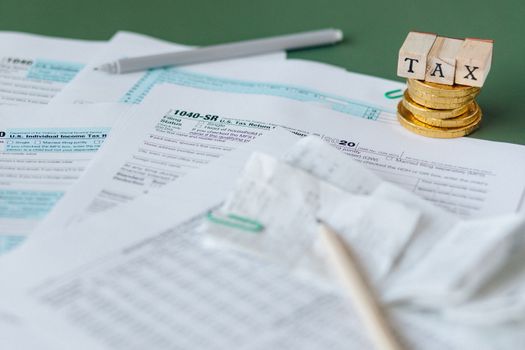
One of the most significant obligations for online casinos in Finland is the proper payment and reporting of taxes. The Finnish gambling tax regime has unique features:
- Gambling tax is levied on operators, not on individual players (with some exceptions for non-licensed or foreign operators). - The current tax rate for gambling operators is 12% of the gross gaming revenue (GGR) as of 2024. GGR is calculated as the difference between total bets placed and winnings paid out. - Operators must submit detailed monthly and annual tax reports to the Finnish Tax Administration, documenting all gaming transactions, player winnings, and payouts.Failure to fulfill these tax obligations can result in severe penalties, including fines, license revocation, and even criminal charges. The Finnish Tax Administration conducts regular audits and cross-checks operator data with payment providers and other government agencies to ensure compliance.
Below is a comparative overview of online gambling tax rates in Finland and selected European countries:
| Country | Gambling Tax Rate (2024) | Tax Base | Taxed Party |
|---|---|---|---|
| Finland | 12% | Gross Gaming Revenue | Operator |
| Sweden | 18% | Gross Gaming Revenue | Operator |
| Denmark | 28% | Gross Gaming Revenue | Operator |
| Estonia | 5% | Gross Gaming Revenue | Operator |
| United Kingdom | 21% | Gross Gaming Revenue | Operator |
This table highlights that Finland’s tax rate is relatively moderate, which could make it an attractive market for operators once licensing opens up in 2026.
Compliance with Responsible Gambling and Player Protection
Taxation is only part of the equation. Regulatory compliance, particularly regarding responsible gambling, is a core responsibility for Finnish online casinos. Operators must adhere to a comprehensive set of rules designed to prevent gambling-related harm and ensure the integrity of gaming activities.
Key responsibilities include:
- $1 All players must be verified as adults (18+) before they can gamble online, using secure identification methods such as bank authentication. - $1 Finnish online casinos must provide robust self-exclusion mechanisms, allowing players to set betting limits, exclude themselves temporarily or permanently, and access support services for problem gambling. - $1 Strict regulations govern how online casinos can market their services. Advertising must not be misleading, target minors, or encourage excessive gambling. Violation of advertising standards can lead to fines and suspension of licenses. - $1 All games offered must be certified for fairness by independent testing agencies, and software must meet high technical standards to prevent manipulation or fraud.According to the Finnish Institute for Health and Welfare, about 2.8% of the adult population (roughly 110,000 people) exhibit some form of gambling problem. This statistic underscores why authorities place such a strong emphasis on player protection.
Data Reporting and Anti-Money Laundering (AML) Requirements
Online casinos in Finland are obligated to maintain transparent records and report various types of data to authorities. This is vital for tax collection, regulatory oversight, and the prevention of financial crime.
The key data reporting and AML responsibilities include:
- $1 Operators must monitor all player transactions for suspicious activity, including large or unusual deposits and withdrawals. - $1 Casinos are required to verify the identity of players, assess risk profiles, and perform enhanced checks for high-value or high-risk customers. - $1 Under the Finnish Act on Preventing Money Laundering and Terrorist Financing, online casinos must report any suspicious transactions to the Financial Intelligence Unit (FIU) without delay. - $1 All player and transaction data must be securely stored for at least five years, in accordance with local data protection and privacy laws.Non-compliance in these areas can expose operators to heavy penalties and reputational damage. In 2022, the National Police Board issued warnings to several international casinos for failing to meet Finnish AML standards.
Adapting to the New Licensing System: What Changes for Operators?
The Finnish government’s decision to introduce a licensing model for online casinos by 2026 marks a major shift in regulatory approach. This change is designed to increase state oversight, protect consumers, and better align with EU competition laws.
Key changes and new responsibilities for operators will include:
- $1 All casinos targeting Finnish players will need to apply for a local license and demonstrate compliance with stringent criteria. - $1 Licensed operators will be subject to regular audits by Finnish authorities, covering everything from financial reporting to responsible gambling measures. - $1 The new system will require operators to provide detailed information about ownership, management, and technical infrastructure. - $1 Meeting the new requirements will likely increase operational costs for casinos, with estimates suggesting compliance budgets could rise by up to 30%.For international operators, these changes present both challenges and opportunities. Those who meet the new standards will gain legitimate access to a lucrative Finnish market, while those who do not risk being blacklisted or blocked by payment service providers.
Why Regulatory Compliance Benefits the Finnish Gambling Market
While the regulatory and taxation responsibilities imposed on Finnish online casinos are rigorous, they deliver clear benefits for the industry and society at large. Strong oversight helps to:
- Protect vulnerable consumers from gambling-related harm. - Ensure fair play and trust in online gaming platforms. - Minimize the risks of money laundering and financial crime. - Guarantee a steady stream of tax revenue, which in Finland is channeled into public goods such as healthcare and education.In 2023, Finnish gambling taxes contributed over €1.1 billion to the state budget. With the upcoming licensing system, these revenues are expected to grow as more operators enter the regulated market.